
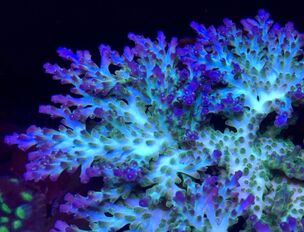
What are Zooxanthellae? And What is Coral Bleaching?
How Does REVIVE Work?
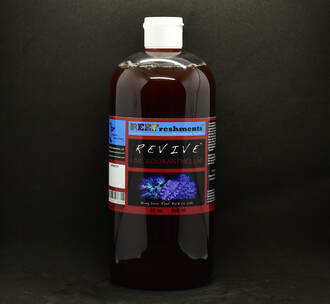
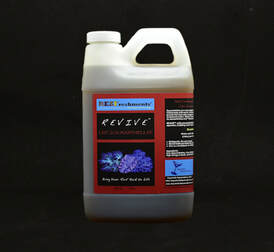
How to Use REVIVE REVIVE can be broadcast-fed or target-fed depending on the extent of the bleaching event. The necessary quantity and frequency of dosage is dependent on the severity and extent of the bleaching event as well as the water volume of the aquarium housing the affected corals. When using REVIVE as a broadcast-feed, we recommend a starting dosage of ¼ oz per 10 gallons added every day to the aquarium in a high flow area. Mechanical filtration should be disabled for approximately 2 hours after dosing REVIVE to allow the corals time to uptake the microalgae. Which Zooxanthellae were chosen for REVIVE?
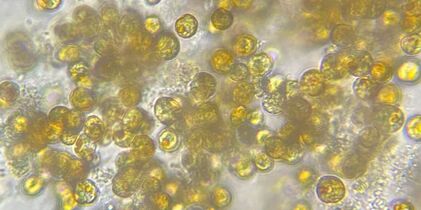
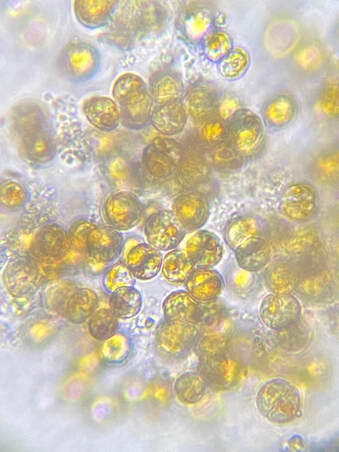
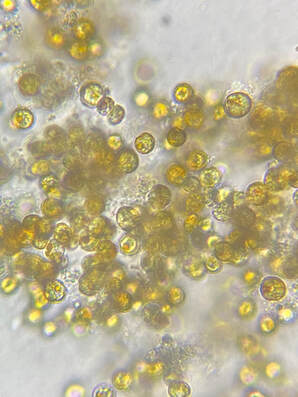
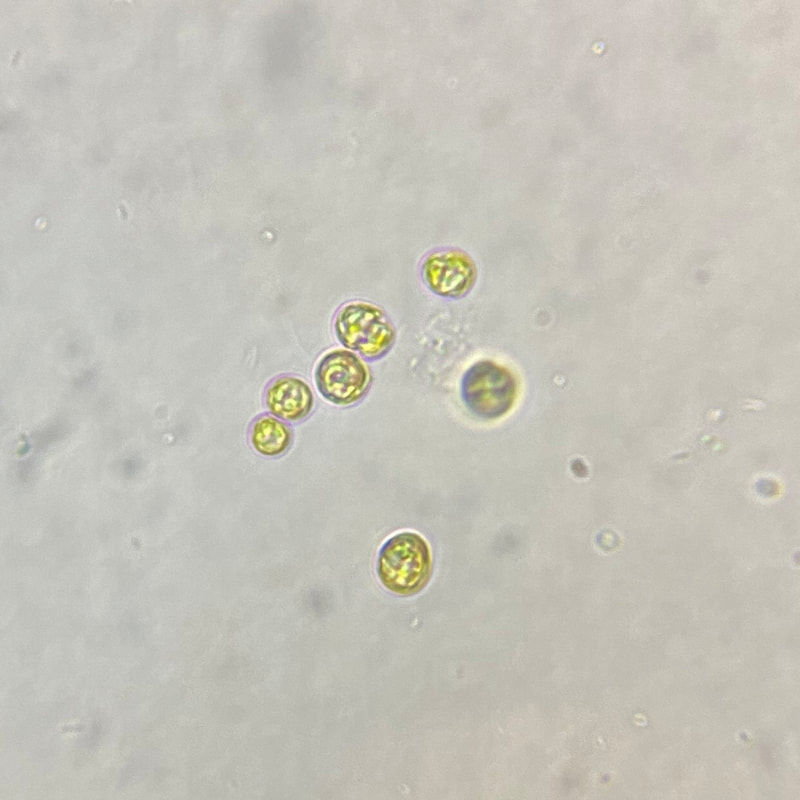
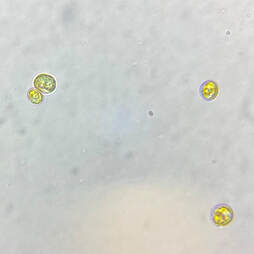
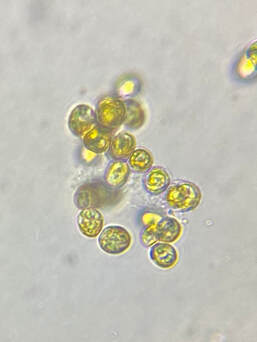
A Closer Look at the Sub-Clades selected for REVIVE
REVIVE and Nourish In addition to zooxanthellae, REVIVE also contains the microalgae Rhodomonas sp. and Phaeodactylum tricornutum. Rhodomonas and Phaeodactylum are added to REVIVE as a supplemental live coral food intended to aid with the recovery of bleached corals through providing high quality nutrition. Aquarists often overlook the important role that live feeds play in the growth, coloration, and overall health of corals. While the zooxanthellae that reside within the tissues of the coral provide the coral with food, these zooxanthellae are only one component of nourishment for the coral. In order to sustain a vibrancy and optimal health, corals require regular planktonic feedings in addition to the food created by the zooxanthellae. Rhodomonas and Phaeodactylum have one of the highest microalgal polyunsaturated fatty acid concentrations making them a perfect addition to REVIVE for the purpose of nourishing your livestock back to health. Through dosing REVIVE, bleached corals can recapture their previously expelled zooxanthellae, and then these corals can feed on Rhodomonas and Phaeodactylum receiving the nourishment that they need to thrive. How Fast Does REVIVE Work?
References [1] Gomez, F., 2012. Problematic Biases in the Availability of Molecular Markers in Protists: The Example of the Dinoflagellates. Acta Protozoologica [2] Robinson, J. and M. Warner, 2006. Differential impacts of photoacclimation and thermal stress on the photobiology of four phylotypes of symbiotic dinoflagellates. Poster presentation, AGU meeting.
0 Comments
|
Aquaholic BlogOur blog is dedicated to educating aquarium hobbyists about all-things-aquaculture, as well as sharing our aquatic adventures at Aquaholic Aquaculture® with fellow #Aquaholics Archives
February 2023
Categories |
 RSS Feed